Watch the Knife, Trust the Queue: A Carvery Audit in Real Time
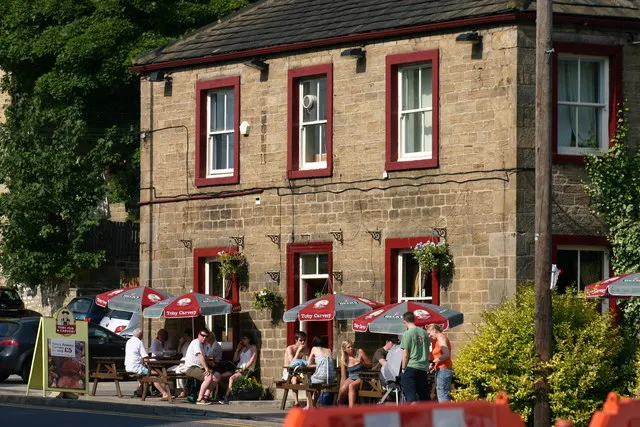
Photo: Jeff Pearson, CC BY-SA 2.0, via Wikimedia Commons
A carvery is the closest thing a pub has to an open kitchen without knocking down a wall. The queue snakes past the joints, the vegetable trays and the gravy boat, and every one of those stations is telling you something. You do not need to peer through a serving hatch or guess at the kitchen's mood. It is all there, steaming gently under the lamps, waiting to be read.
The trick is to watch before you say yes. Not with suspicion, but with the same calm attention you would give a pint being pulled. A carvery rewards the patient diner, and it punishes the person who grabs the first plate and charges at the first tray.
The queue is the first course
A long queue is not automatically a bad sign. In fact, a steady, shuffling line usually means the kitchen is keeping pace. People are being served, plates are being filled and the next person is stepping forward. That is a rhythm worth trusting.
A queue that stops dead is different. If the line stalls at the same spot for several minutes, look at where it is stuck. Is the carver waiting for a fresh joint? Has the vegetable tray run dry? Is someone hunting for a clean plate? A bottleneck is not a scandal, but it tells you where the kitchen is feeling the pinch.
Watch the staff, too. A carvery team that calls the next person forward, keeps the plates warm and moves with purpose is a team that has done this before. A team that looks surprised by the lunch rush is a team you should approach with modest expectations.
The carving station is the interview
The knife is the most honest tool in the building. A sharp knife moves through a joint in clean, confident strokes. A blunt one saws, tears and leaves ragged edges. If the carver is pressing down hard and working back and forth, the meat is being bullied rather than carved.
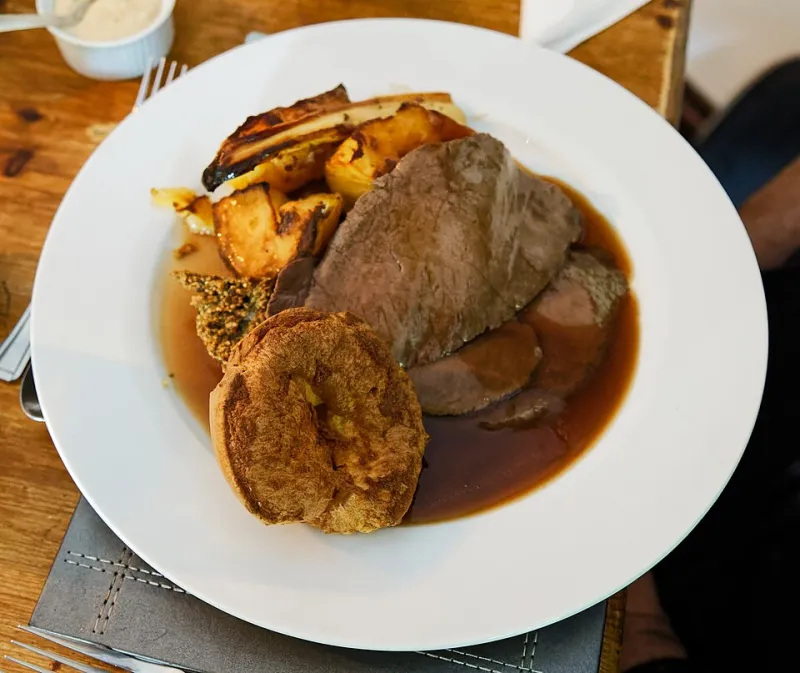
Look at the joint itself. Beef should have a decent crust and a rosy middle. Turkey should look moist, not chalky. Gammon should be glazed rather than sweating. Lamb, if it is on, should be pink enough to be worth eating. None of this guarantees a perfect plate, but it gives you a fair idea of what is being looked after.
Ask for what you actually want. A bit of the end cut has more crust and more flavour. A middle slice is milder and juicier. If the joint looks tired at the edge, ask for a cut from further in. A good carver will not mind. A great one will already be reaching for it.
Vegetables are a freshness timestamp
Vegetable trays are the carvery's clock. Bright greens, golden roast potatoes and a cauliflower cheese with a proper crust are signs of a kitchen that is replenishing as it goes. Grey beans, pale potatoes and a tray scraped down to the last spoonful are signs that the line has been left to fend for itself.
Do not be shy about waiting for a fresh tray. If the roast potatoes have clearly been sitting since the first sitting, ask whether more are coming. The answer tells you plenty. A cheerful yes and a swift swap is exactly what you want. A shrug and a vague gesture towards the back is your cue to adjust expectations.
Yorkshire puddings deserve a mention of their own. Tall, crisp and slightly uneven is the ideal. Collapsed and leathery is not. If they are being brought out in fresh batches, take one from the new tray rather than the lonely survivor at the back.
The gravy question
Gravy is where a carvery either earns its keep or gives the game away. Good gravy is glossy, meaty and just thick enough to cling to a roast potato without turning into wallpaper paste. Watery gravy is a disappointment. Gravy so thick it stands up on its own is a different kind of problem.
Say yes, but say yes with a plan. Ask for it poured over the meat and potatoes rather than drowned over everything. If the carver offers meat juices, take them. If there is a separate jug, use it. A carvery plate should taste of more than one thing, and gravy should be a finish rather than a flood.
Timing is not everything, but it helps
The first hour of service usually gets the freshest trays and the busiest queue. The last hour often gets the end of the joint and the last of the vegetables. That is not a hard rule, but it is a useful one. Aim for the middle of service, when the kitchen is warm but not yet weary.
Weekday carveries are often calmer and better value than the Sunday scrum. If you are booking for a weekend, go early or go late but go with a reservation. A carvery is a generous format, but it is not a magic one. The best plates come from a line that is busy enough to stay fresh and relaxed enough to care.
The plate is the verdict
When you finally sit down, look at the plate before you pick up your fork. Is it hot? Is the meat sliced rather than shredded? Are the vegetables bright and the potatoes crisp? Is there enough gravy to moisten the plate without turning it into soup? These are small things, but they are the things that separate a carvery that tries from one that simply turns up.
The carvery queue is an open kitchen with a ladle in its hand. Watch it, read it and then say yes to the gravy. It is one of Britain's most revealing pub rituals, and it is all the better for being taken seriously.