The View Is Not a Course: A Pub-Goer's Guide to the Scenery Surcharge
Photo: tristan forward, CC BY-SA 2.0, via Wikimedia Commons
There is a particular kind of pub menu that arrives with a view attached. The haddock is £19, the pie is £18, and the specials board has been written in the confident hand of someone who knows the tide comes in twice a day and people will pay to watch it. You are not just buying lunch. You are buying a seat facing the water, the moor, the cathedral, or a beer garden that catches the last of the sun. None of that is free.
The scenery surcharge is rarely a line item. It is folded into the price of the fish, the chips, the pint, and the pudding. Sometimes it is money well spent. Sometimes it is a quiet tax on a mediocre kitchen with a good estate agent. The trick is telling the difference before the plates land.
What the Surcharge Actually Buys
A pub with a view is running two businesses at once. One is hospitality. The other is location. The location costs more to own, maintain, and insure, and it comes with a captive audience: walkers, day-trippers, families who have driven an hour and will not drive another twenty minutes to save three pounds on a sandwich. The view is the draw, and the menu knows it.
That does not make the premium dishonest. A table overlooking an estuary in Norfolk, a window seat above a Cumbrian valley, or a garden with a clear line to a cathedral spire is a genuinely better lunch than a strip-lit dining room beside a ring road. The question is not whether the view has value. It is whether the kitchen is charging you for the view and then cooking as if you came for the carpet.
Three Kinds of View Premium
Most view-led pubs fall into one of three camps. The first earns its outlook. The menu is short, the produce is local where it matters, the cooking is confident, and the prices are high but defensible. You are paying for a view, yes, but also for a kitchen that respects the fact you made a journey.
The second inherits its outlook. The pub has been there for two hundred years, the view came with the building, and the menu has been coasting on it for at least twenty. Nothing is terrible. Nothing is memorable. The premium is real, but it is being spent on location rather than ingredients. You leave feeling you paid for a photograph.
The third invents its view. A newly painted conservatory, a few planters, and a chalkboard promising 'panoramic dining' can add two pounds to a burger without adding a single degree of outlook. This is the most common surcharge in the trade, and the easiest to spot once you stop looking out of the window and start reading the menu.
Reading the Menu Before the Scenery
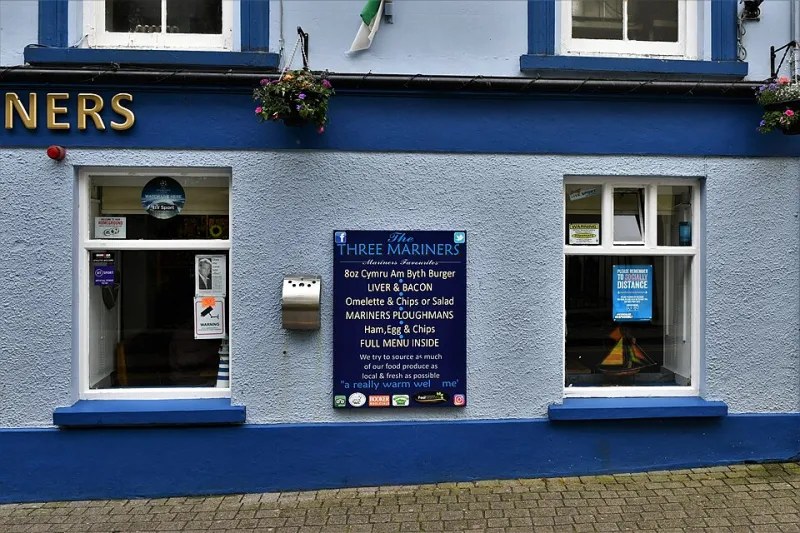
The menu is the tell. A pub that genuinely values its view tends to keep the food simple and the sourcing specific. It names the farm, the bakery, the harbour, the brewer. It does not need to shout about the view because the view is obvious. A pub that is charging for the view tends to do the opposite: florid descriptions, a long list of dishes, and a specials board that reads like it was written by someone who has never met a scallop.
Look at the staples. If the fish and chips is north of £20 and the fish is anonymous, the view is doing the heavy lifting. If the pie is £17 and the filling tastes of gravy granules and regret, you are paying for the horizon. If the Sunday roast is £22 and the potatoes have been holding in a hot cupboard since mid-morning, the scenery is the only thing on the plate that has been cared for.
There is also the question of competition. A view-led pub often has a less scenic neighbour a mile inland with better food and lower prices. That pub is your control group. If the view pub is charging £6 more for the same dish, and the inland pub is full of locals, you have your answer. Locals rarely pay the scenery surcharge twice.
When the View Is Worth It
There are times when paying for the outlook is the right call. A long walk ending at a pub with a view is one of the great British pleasures, and the premium is part of the day. A Sunday lunch with family, a birthday, a rare afternoon when the weather behaves — these are occasions when the setting is the point. You are not just buying food. You are buying a few hours in a place that feels better than the place you came from.
The view is also worth it when the kitchen keeps its end of the bargain. Look for short menus, proper seasonality, and a pudding that has not been bought in from a wholesaler. Look for a pub that could survive without the view. That is the test. If the food would still be worth the trip with the curtains closed, the premium is fair. If it would not, you are paying for a postcard.
The Beer Garden Loophole
One of the useful things about a pub with a view is that the view is often free if you stand up. A beer garden, a terrace, a bench by the river, a patch of grass with a decent angle on the hills — these are frequently available without the full dining-room mark-up. You can order a pint, a bag of crisps, or a bar snack and enjoy the same outlook for a fraction of the cost. If the view is the main attraction, this is the honest way to buy it.
The catch is that the garden menu is often a lesser thing: burgers, chips, and something described as 'loaded'. That is fine if you came for the view. It is less fine if you came for lunch. The trick is to decide which one you are doing before you sit down. A view with a pint is a bargain. A view with an average plate is a tax.
The Verdict
A pub with a view is not a con. It is a business with a valuable asset, and it would be strange if that asset did not show up somewhere on the bill. But the scenery surcharge should be visible in the quality of the cooking, not just the angle of the window. If the view is the only thing on the plate that has been plated with care, pay for a pint, enjoy the horizon, and eat somewhere that earns its keep.
A good view is worth a few pounds. A good view and a good kitchen is worth the drive. The trick is not to confuse the two. The window seat is a loan of the landscape, not a guarantee of lunch. Order accordingly.