Crackers, Clauses and Christmas Plates: A Sceptic's Guide to Festive Pub Bookings
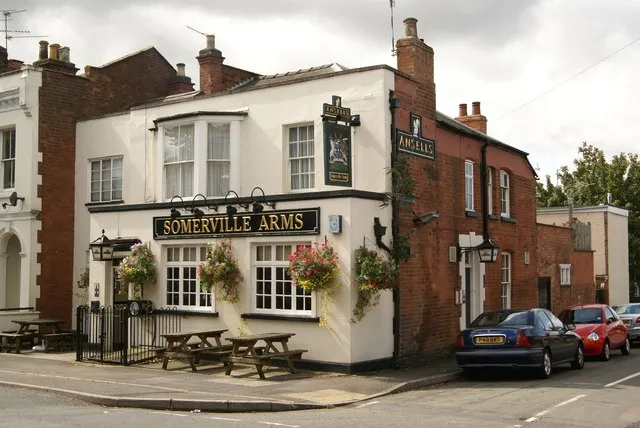
Photo: Colin Craig, CC BY-SA 2.0, via Wikimedia Commons
By mid-November, the Christmas menus are out. They arrive as PDFs with a glossy photo of turkey, a scatter of cranberries and a deposit link at the bottom. Somewhere between the tinsel and the terms and conditions is a simple question: is this going to be a good pub meal, or are you paying for decoration?
A festive pub booking is not a legal contract in any serious sense, but it behaves like one. You agree to a date, a time, a price and a set of conditions. The pub agrees to feed you. The clearer both sides are about what that means, the better the afternoon goes. So before you put down a card, read the offer the way you'd read a menu on a normal Tuesday: with a hungry eye and a mild suspicion of anything that sounds too smooth.
The deposit is the first honest sentence
Most pubs now ask for a deposit per head for Christmas bookings — £10 or £15 is common, sometimes more for a Saturday night. The important question is not the amount but what it is. A deposit should come off your final bill. A booking fee does not. Ask which one you're paying, and get it in writing if the answer is vague.
Then ask about the cancellation window. Pubs have to protect their tables in December, and a 48-hour or seven-day cutoff is reasonable. But you should know the date by which your numbers become final, and whether reducing the party size after that point costs you. If a pub gets shifty about simple deposit terms before you've booked, imagine the conversation when a guest drops out on 20 December. That is useful information.
Timed sittings and the pace of the table
December is a logistics exercise. Kitchens turn tables the way a railway turns trains, and a timed sitting is how they do it. You will see slots like noon, 2.30pm and 5pm, often with a stated window of 90 minutes or two hours.
None of that is automatically bad. A 90-minute sitting can be perfectly pleasant for a work lunch. It is less pleasant if you are booking for three generations and someone always arrives late. The question to ask is whether the sitting is a start time or a full stop. Is the table yours for the afternoon, or is another party booked in behind you? If the pub says "two-hour sitting", believe them and plan accordingly. If they say "table until 4pm", that is a different offer and a better one for a slow family meal.
Also check the pre-order. Many pubs want choices a week or two ahead. Ask whether you can swap dishes on the day, and what happens if a guest with an allergy joins late. A good pub will have a straight answer. A bad one will treat the question as an inconvenience.
The plate behind the photo
Festive menus tend to be sold as three courses for a set price — £25, £32, £40, depending on the pub and the postcode. The arithmetic can work. The trick is reading what is actually included.
Look for the small words. "Turkey breast" is not the same as "turkey and all the trimmings". "Roast potatoes" may mean three, not a bowl. Some pubs quietly drop the Yorkshire pudding at Christmas because it is not traditional with turkey — fine, but you should know before you sit down. The vegetarian option is often the tell: if it reads like an afterthought, it probably is one. And a "festive burger" is sometimes a normal burger with a spoonful of stuffing on top, which is not a crime but is not quite the occasion the photo promised.
Practical checks: is there a children's menu or a smaller portion? Can the kitchen do a plain plate for a fussy eater? Are mince pies and coffee included, or added on the night? The pub test is simple — would you order this dish in June? If the answer is no, the tinsel may be doing more work than the kitchen.
Drinks packages and the arithmetic of "included"
A welcome drink sounds generous until you ask what it is. A 125ml glass of prosecco is not a pint of house ale, and a bottle of something on the table is not a package. Ask for the measure, the brand bracket and whether you can swap it for a soft drink. Ask whether the package is per person or per table.
Then do the sums. If the drinks package adds £20 a head and your table would normally spend £14 on drinks, you are buying convenience, not value. That may still be worth it if you want the bill settled in advance. But know which you are choosing.
Do not forget service charge. Many pubs add 10% or 12.5% to festive bookings, sometimes on the drinks as well as the food. Ask whether it is discretionary and whether it applies to the deposit. A £35 menu with service and a drink package can land closer to £55 a head before anyone has ordered a second round. That is not a scandal, but it should be on the page, not a surprise on the card machine.
Does it still feel like a pub?
This is the question that matters most to anyone who reads Tavern Fayre. Some pubs handle Christmas by turning the dining room into a function suite: assigned seating, paper crackers, a playlist, a set menu and no access to the normal bar. Others keep the fire lit, the bar open and the ordinary menu running alongside the festive one.
Both can be good. But they are different products. If the pub closes to the public for Christmas bookings, you are getting a restaurant experience in a pub building. That may be exactly what you want for a works do. If you were hoping for a corner table, a pint ordered at the bar and the low hum of locals, check before you book. Ask whether the bar is open to non-diners, whether dogs are allowed in the snug, and whether the normal menu is available at lunch. The answers tell you which kind of Christmas you are buying.
A short checklist before you pay
- Deposit: per head or per table? Does it come off the bill?
- Cancellation: what is the deadline, and what happens if numbers drop?
- Sitting: start time and finish time, in writing.
- Pre-order: deadline, swap policy, allergy process.
- Menu: full dishes, portion notes, children's options.
- Drinks: package contents, measures, swap rules, service charge.
- The room: bar open? normal menu? dogs? access?
- The total: food, drinks, service, deposit — one estimated figure per head.
The best festive pub meal is not the cheapest or the most lavish. It is the one where the terms match the table. Read the offer, ask the boring questions, and book the pub that answers them without sighing. Then order the turkey, pull a cracker and get on with the important business of a long, warm afternoon.