The Big Three Menu Words — and How to Tell if They're Earning Their Keep
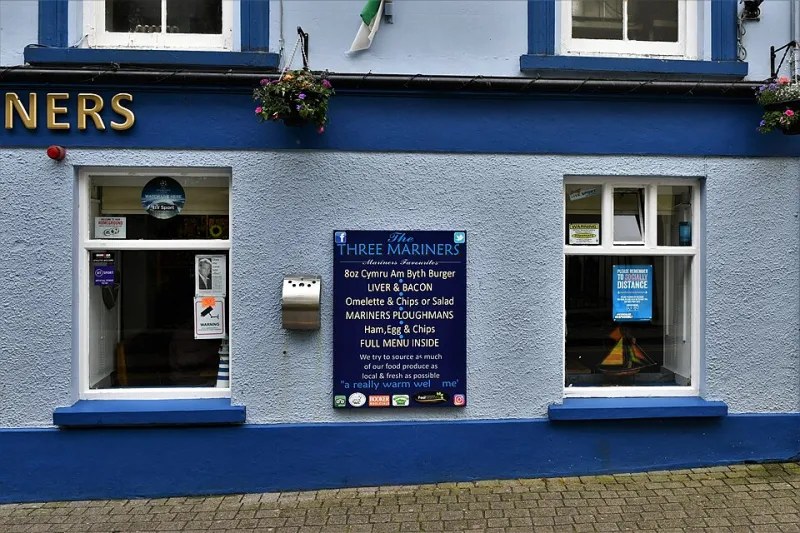
Photo: Michael Garlick , CC BY-SA 2.0, via Wikimedia Commons
There are three words on a pub menu that do more selling than any glossy photograph or artfully stacked chip. They turn up on chalkboards, laminated specials sheets and the sort of menus that use a different font for puddings. They are: proper, homemade and local. Each one sounds like a promise. None of them is legally watertight. And all three can add a couple of quid to your lunch without necessarily adding anything to your plate.
This isn't a call to march into the kitchen with a clipboard. A pub lunch should remain a pleasure, not a compliance audit. But if you're paying a premium for language, it's reasonable to know what that language is actually doing. Think of this as a field guide to the big three — not to catch anyone out, but to spend your money a bit more knowingly.
First, the honest baseline
Menu words are not contracts. A pub can describe a pie as proper without defining the term, and a kitchen can call a chutney homemade without explaining whose home. That doesn't automatically make anyone a villain. It does mean the words are doing emotional work: proper sounds reassuring, homemade sounds generous, local sounds virtuous. Your job is to work out whether the kitchen is backing up the mood with actual effort.
“Proper” is a mood, not a method
Proper is the vaguest of the three, which is precisely why it's so useful. It can mean traditional, substantial, made with care, or simply “the sort of thing you expect from a pub.” A proper pie should have a base, a lid and a filling that hasn't been spooned in from a nearby tray. A proper Sunday roast should involve meat that has been roasted, not merely warmed and sliced. A proper plate of chips should not arrive looking like pale batons of regret.
The practical test is simple: can the person serving you describe what makes it proper? You don't need a dissertation. “The pie is made with braised beef and ale, and the pastry is shortcrust” is a good answer. “It's proper” is not an answer. It's a vibe.
If you want to ask without turning lunch into a tribunal, try: “What's in the pie?” or “How is the haddock done?” That's normal curiosity. It also gives the kitchen a chance to tell you something useful. If the reply is specific, the word proper is probably earning its place. If it's a shrug dressed up as confidence, you can adjust your expectations — and possibly your order.
“Homemade” has a kitchen behind it
Homemade is more concrete, but only slightly. It can mean made on the premises from scratch. It can mean made on the premises from a bought-in base. It can mean made to the pub's recipe by a supplier. None of those is necessarily bad — a pub doesn't have to churn its own butter to serve a decent lunch — but they are not the same thing, and they shouldn't carry the same price tag.
The places where homemade matters most are the ones with visible labour: pastry, stocks, sauces, chutneys, pickles, puddings. A pie with genuinely house-made pastry is a different proposition from one with a lid that arrived in a box. A sticky toffee pudding made in the kitchen is a different pleasure from one reheated from a catering pack. Both can be fine. Only one deserves the word homemade on the menu.
A gentle question works here too: “Was the pastry made here?” It's direct, it's fair, and it's the sort of thing a proud kitchen is usually happy to answer. If the answer is “our kitchen makes it,” you're in good shape. If it's “it's our recipe,” ask yourself whether that's the same thing. Sometimes it is. Often it isn't.
“Local” needs a postcode
Local is the most romantic of the three, and the easiest to stretch. Local could mean the farm down the lane. It could mean the county. It could mean “within the UK, probably.” A menu that says “local produce where possible” is making a sincere-sounding statement that is almost impossible to pin down. A menu that names the farm, the bakery or the brewery is making a claim you can actually follow.
The useful distinction is between local as a supply principle and local as decoration. If the beef comes from a named farm twenty minutes away, that's meaningful — it affects freshness, traceability and often the character of the meat. If the “local” element is a garnish of watercress while the rest of the plate has travelled further than you have, it's doing less work.
Ask: “Where's the beef from?” or “Which bakery does the bread?” Again, one question is enough. You're not conducting an interrogation; you're showing an interest. Most pub staff will either know the answer or know who does. The answer tells you whether local is a real relationship or a word chosen because it looks good above a £17 main.
The polite question script
If you want a simple rule, pick one question per meal. Not three. Not a questionnaire. One.
- For a pie: “What's the filling, and is the pastry made here?”
- For a roast: “Where's the meat from?”
- For a specials board: “What's local about this one?”
Then listen. A good answer will be specific, unbothered and probably a bit enthusiastic. A poor answer will be vague, defensive or strangely focused on the word itself. Either way, you've learned something without making the server's day harder.
Doing the maths
Loaded words often come with loaded prices. That's not automatically a swindle. A pie made in-house with proper pastry and a long-cooked filling costs more to produce than one dropped in from a supplier. A roast using named local beef costs more than one using anonymous topside. The question is whether the premium is buying you something you can taste.
A useful way to think about it: if the menu removed the words proper, homemade and local, would the plate still feel worth the money? If yes, the language is a bonus. If no, the language is doing too much of the work. That's not a reason to cancel lunch. It's a reason to order the fish and chips instead of the £19 pie.
Last bite
None of this is about catching pubs out. Most kitchens are honest, most servers are helpful, and most menu language is written by someone trying to make the food sound as nice as it tastes. But the big three are powerful words, and power deserves a little scrutiny. Ask one polite question. Listen for specifics. Then trust the plate in front of you. The menu can promise proper, homemade and local. Only the first mouthful can confirm it.