Save Room for the Truth: What a Pub Dessert Board Tells You
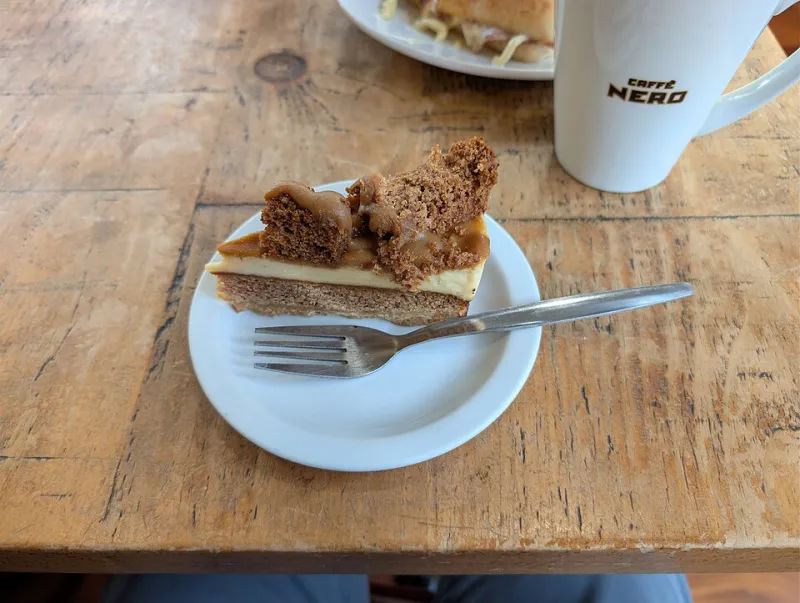
Photo: Andy Li, CC0, via Wikimedia Commons
Starters and mains get all the attention. They are the opening act and the headline. Dessert is the bit at the end, when the kitchen is tired and the dishwasher is winning. That is exactly why it matters. A pub can camouflage a lot under gravy. It cannot hide a bad pudding behind anything more persuasive than custard.
The course with nowhere to hide
A steak can be rescued by chips and peppercorn sauce. A pie can lean on pastry and a jug of gravy. Dessert arrives naked: a wedge of cake, a spoonful of cream, a puddle of custard. There is no garnish big enough to distract from a sponge that has been pinged into submission. That makes the dessert board the most honest page in the menu. It tells you whether the kitchen is cooking or simply assembling.
What a confident dessert board looks like
The best ones are short and specific. They name the fruit, the variety, the style. Bramley apple crumble. Rhubarb and ginger. Sticky toffee pudding with a proper toffee sauce, not a caramel drizzle from a bottle. Treacle sponge with custard that has seen a vanilla pod. Maybe a rice pudding, a lemon posset, a wedge of cheese. They change with the seasons. They sound like someone in the kitchen has an opinion.
A good board often has one or two things made in-house and one or two bought in with honesty. That is fine. Pubs are not patisseries. What matters is that the kitchen knows which is which and prices accordingly. A £7.50 pudding should feel like a treat, not a tax on hunger.
The telltale signs of a ping-and-plonk operation
You can usually spot the freezer-and-microwave shift from the menu language. Watch for a long list of desserts that are all available all year round. Watch for 'warm chocolate fudge cake', 'New York cheesecake', 'apple pie' and 'profiteroles' in identical fonts with no detail. Watch for the phrase 'served with squirty cream' or 'a selection of ice creams'. A plastic sundae glass is rarely a good omen.
The pudding itself will tell you. A microwaved sponge has hot edges and a cool middle. A crumble that has been reheated can have a soggy top and a lava-hot centre. Custard may have a skin thick enough to be a hat. None of this is a crime against humanity, but it is a clue. If the kitchen cannot be bothered at the end, ask yourself what else it is skipping.
Why it separates good pubs from great ones
A great pub understands that dessert is not an afterthought. It is the last thing you remember. It is the reason you linger over coffee, the reason you book again, the reason a Sunday lunch feels complete. It does not need to be fancy. A proper affogato, a slice of warm ginger cake, a cheese board with chutney and oatcakes can do the job beautifully.
In 2026, with pub margins tight and kitchens under pressure, it is tempting to treat pudding as a low-effort upsell. The pubs that resist are the ones worth your loyalty. They know that a sticky toffee pudding made with dates and proper sauce costs little more than a bought-in one, but says far more about the kitchen.
How to test it without making a scene
You do not need to interrogate the staff. Ask one simple question: 'Which puddings are made here?' The answer is usually honest. Look at the specials board. Order one pudding between two and see how it arrives. If the crumble is bubbling and the custard is hot, you have your answer. If it is lukewarm and the cream is aerated, you have a different answer.
Save room. That is the real trick. A pint and a pie can be a fine lunch, but a pint, a pie and a proper pudding is a complete one. The dessert board is not the flashiest part of a pub. It is the part that tells you whether the kitchen means it.