Keep the Foam Off My Pie: Why the Best Pub Menus Still Look Like Pub Menus
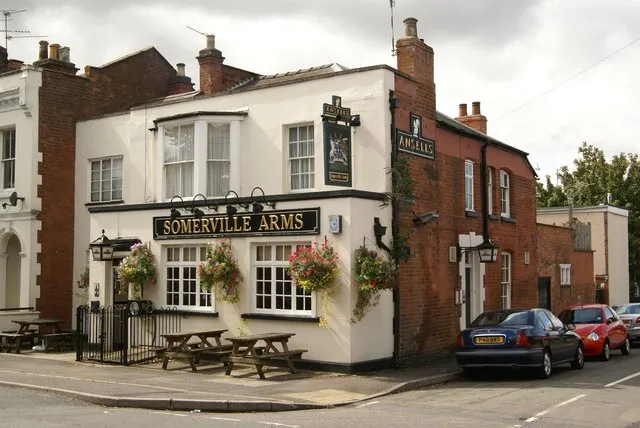
Photo: Colin Craig, CC BY-SA 2.0, via Wikimedia Commons
Somewhere along the line, the word 'gastropub' stopped being a helpful sign and started being a warning. It used to mean a pub that took food seriously. Now it can mean a pub that takes itself seriously. There is a difference, and it usually shows up on the plate as foam.
The word that ate the menu
The gastropub idea was a good one. Pubs have always served food, and the best ones have always served it well. The term arrived in the 1990s to describe places that put proper cooking back into the pub. That was a fair ambition. The trouble is that ambition can curdle. A pub starts by improving its pie. Then it starts calling the pie a 'slow-braised beef and ale parcel'. Then it adds a smear of something and a tuft of something else. By the end, you are paying restaurant prices for a plate that needs a briefing.
What we lose when every plate needs a story
A pub is not a restaurant with a different carpet. It is a different kind of room. You go there to talk, to settle in, to have a pint and something hot and savoury that does not ask too much of you. When the menu starts explaining every ingredient's journey, the room changes. The food becomes the performance. The table goes quiet while everyone reads. Someone asks what 'textures of beetroot' means. Nobody knows.
There is nothing wrong with ambition. A good chef can make a pub kitchen sing. But ambition should show up in the cooking, not in the wording. A pie does not need a backstory. It needs a proper lid, a decent filling, and gravy that does not taste like it was made in a meeting.
The case for the unfussy menu
Think of the pub dishes that actually earn loyalty: fish and chips with batter that shatters, a Sunday roast with potatoes that have been treated properly, a pie with a lid, a burger that does not collapse, a plate of sausages and mash with onion gravy. These are not boring dishes. They are difficult dishes. Anyone can put foam on a plate. Not everyone can fry fish properly.
The unfussy menu is not an excuse for laziness. It is a promise that the kitchen knows what it is good at. A short menu is usually a confident menu. A long menu is often a freezer with a typing pool. The best pub food feels like it was cooked by someone who would happily eat it themselves at the end of a shift.
A checklist for a pub that still knows what it is
None of these are laws. They are clues. A pub can break every one and still be brilliant. But if you are standing outside a pub, squinting at a menu, they are a decent place to start.
- The menu fits on one page, or close enough. A huge menu is not automatically bad, but it does raise a question about how many things are being reheated.
- Descriptions are in plain English. 'Pie, chips, gravy' is a better sign than 'deconstructed bovine parcel with a jus reduction'.
- The pie has a lid. If a pie is served in a dish with a puff pastry hat balanced on top, ask yourself why.
- Chips are chips. Triple-cooked is fine. 'Hand-cut' is fine. 'Potato terrine' is not chips.
- The Sunday roast is available on Sunday, and the staff look like they have eaten one.
- There is a specials board, and it is handwritten. Bonus points if it is slightly wonky.
- Condiments are on the table or offered without a ceremony. Salt and vinegar should not require a request form.
- The staff can tell you what is local without reading from a script. If they say the pie is good, believe them.
- The menu has at least one thing you could eat with your hands, or would want to.
- The pub still feels like a pub when the food arrives. This is the big one.
In defence of knowing your lane
None of this is an attack on creativity. A chef who can make a pub menu interesting without making it fussy is doing something harder than the foam-and-tweezers crowd. The point is not to ban ideas. The point is to let the food do the talking.
A pub that knows what it is will not call itself a gastropub. It will not need to. It will have a chalkboard, a decent pint, and a plate of food that looks like someone wanted you to enjoy it. That is not a step backwards. It is just dinner, done properly.