Three Closer Pubs and a Better Roast: How to Decide If the Drive Is Worth It
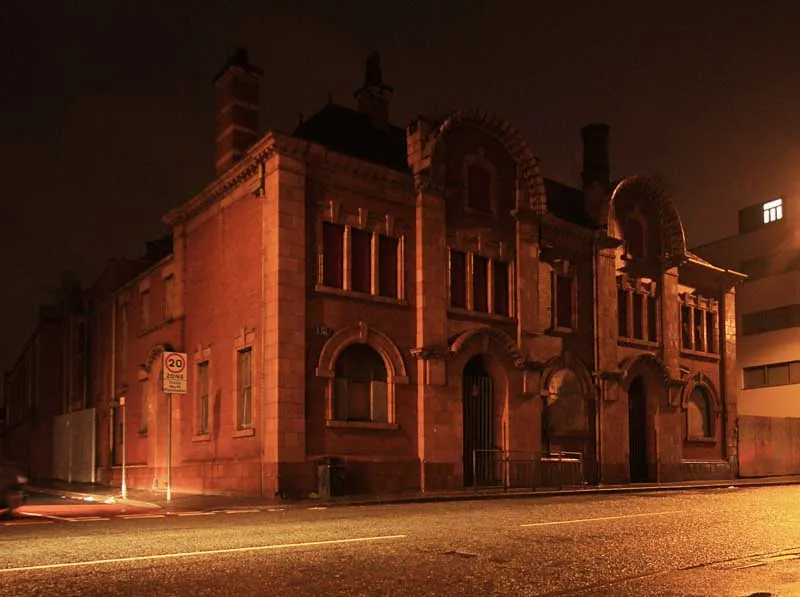
Photo: Silverstealth, CC BY-SA 3.0, via Wikimedia Commons
The detour is a promise you make to yourself. You drive past three perfectly decent pubs because somewhere down a lane, past the garden centre and the sign that says 'fresh eggs', there is a place that might be better. Sometimes it is. Sometimes you end up eating a dry roast in a room that smells of carpet cleaner while the closer pub is serving hot pork scratchings. The trick is to work out which detours are worth it without turning lunch into a spreadsheet exercise.
Start with the menu, not the car park
A short menu is a good sign, but not a guarantee. Twenty dishes across four laminated pages usually means a freezer and a microwave doing most of the work. A chalkboard with six starters, six mains and a couple of puddings suggests a kitchen that changes things and knows its limits. Look for season words: wild garlic, rhubarb, damsons, game, sprout tops. If the menu says 'winter warmer' in July, keep driving.
The five signals that actually matter
Give each one a score from 0 to 2. This is not science; it is a way of noticing what you already noticed.
- Short, changing menu. 0 for a laminated book; 1 for a standard pub menu with a couple of specials; 2 for a tight menu with a seasonal chalkboard.
- Local ales and a proper bar. 0 for nothing but lager taps; 1 for one local cask; 2 for two or three well-kept local ales and staff who know what they are.
- A visible landlord or landlady. 0 for nobody in charge; 1 for a manager who looks up; 2 for someone clearly running the room.
- Parking that works. 0 for a nightmare; 1 for a small car park; 2 for easy parking or a sensible village spot.
- A board that changes. 0 for the same printed dessert list since forever; 1 for a specials board; 2 for a chalkboard that mentions what is good right now.
A score of 7 or more is worth the detour. Five or six is worth it if you are already nearby or walking. Below five, save your fuel.
What not to count
A huge car park is not a sign of quality. Neither is a sign saying 'award-winning'. Neither is a fancy exterior or a social media feed full of Yorkshire puddings. Do not give points for 'locally sourced' if the menu cannot name a farm or a bakery. Do not give points for a long gin list if the ale is flat. And do not give points for a pub being busy. Busy pubs can be busy for the wrong reasons.
How to use the test without becoming insufferable
Pick one candidate. Check the menu online if it exists, but do not trust a photo from three years ago. Call ahead for Sunday lunch and ask if they are serving roast. Book if you can. Then go, order a pint, and look around. The test should take about thirty seconds, not thirty minutes. It is a way of deciding, not a personality.
If the roast arrives and the potatoes are crisp, the beef is pink where it should be and the gravy is not from a powder, you have your answer. If the landlord asks how it is and actually listens, that is another point. If the pudding board has a proper crumble, that is the final point.
The detour that pays
The best detour is the one you would happily repeat on a Tuesday. It is not the furthest pub or the fanciest pub. It is the one where the ale is looked after, the menu is short enough to trust, and the room feels like it has been used for something other than a property listing. Those pubs exist. They are worth the extra miles. Just do not tell everyone.