Order the Plate, Then the Pint: Matching Beer to Pub Food Without the Pomp
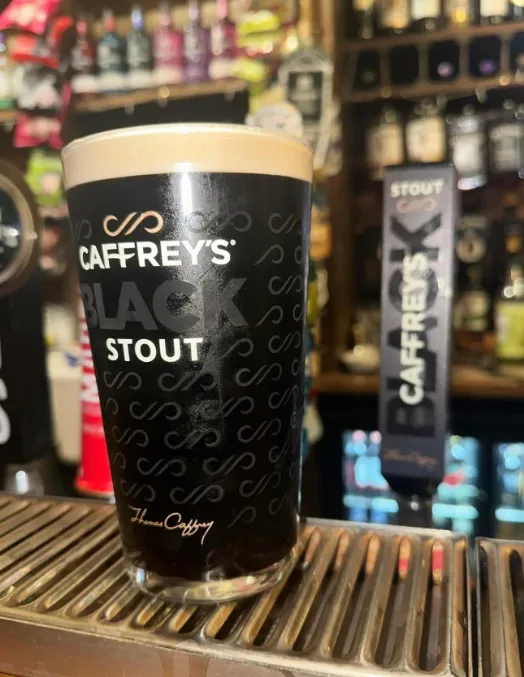
Photo: 55belgianbeerfan, CC0, via Wikimedia Commons
There is a particular kind of pub lunch that begins with a pint ordered before the menu is even opened. Nothing wrong with that — a cold lager on a Tuesday is one of life's reliable pleasures. But order the same pint with a slow-braised pie, a Sunday roast, or a bag of scampi fries, and you may notice something: the food is doing all the work. The beer is just... there. Not bad. Not wrong. Just not pulling its weight.
That is the quiet problem with the default pint. It is a habit, not a match. And the fix costs nothing: think about the plate before you think about the pump.
The order of operations
Try ordering the plate first. It feels wrong — the bar is right there, the taps are gleaming, the person next to you has already got a foam-topped pint in hand. But those ninety seconds spent reading the menu give you something useful: a target. A roast beef sandwich wants something different from a steak and ale pie, and both want something different from a bag of pork scratchings.
You do not need to become a beer bore about it. You just need a rough direction.
Roasts: go for malt, not fireworks
A Sunday roast is a big, savoury plate. Gravy, fat, crackling, Yorkshire pudding, root vegetables. The pint should be able to stand up to that without shouting over it. A best bitter is the classic answer for beef and lamb — enough malt to meet the gravy, enough bitterness to cut through the fat. An amber ale works on the same logic.
Roast pork is a different job. The meat is sweeter, the crackling is salty, and a pale ale or a dry cider does a better job of lifting it. Cider with pork is not a gimmick; it is one of the oldest useful pairings in the pub.
What to avoid: anything so hop-forward that it tastes like a grapefruit fight. A very bitter IPA can flatten a delicate roast chicken. If you love IPAs, keep them for the bar-snack end of the evening.
Pies: the pastry wants a darker pint
A proper pie — shortcrust or hot-water crust, gravy inside, more gravy on the side — is a rich, heavy thing. It wants a beer with some roast to it. A stout or a porter with a steak pie is a genuinely good match: the dark malt picks up the browned meat and the pastry, and the bitterness stops it all becoming stodgy. A best bitter is the everyday option, and a good one is hard to beat.
Chicken and mushroom pie is lighter. A golden ale or a pale ale keeps things moving. A heavy stout here can feel like putting a duvet on the plate.
One practical move: if you are a lager drinker, order your usual lager and a half of stout. Alternate. You get the refreshment and the match, and you have not committed to a full pint of something you might not finish.
Fish and chips: carbonation is your friend
This is the plate where the default lager finally earns its keep. Batter, oil, chips, salt, vinegar — it is a fatty, salty, crunchy business, and a crisp pilsner or lager cuts through it beautifully. The bubbles scrub the palate; the clean finish gets you ready for the next bite. A pale ale also works, and a dry cider is a very good shout if you want something sharper.
The mistake here is going too heavy. A malty, low-carbonation beer can make fish and chips feel like a chore by the last third. Save the stout for the pie.
Salt and crunch: the bar-snack end
Pork scratchings, crisps, scampi fries, pickled eggs, a bag of dry roasted. These are salty, fatty, moreish things, and they want a pint that is crisp and cold and not too strong. A dry cider is excellent with scratchings. A pale ale handles scampi fries. A crisp lager is the all-purpose answer.
Avoid very strong beers at this stage. Salt plus high ABV is a fast track to an afternoon nap, and you still have a plate coming.
Asking the bar without the theatre
You do not need the vocabulary of a brewing textbook. You need three questions, max.
What is pouring well? This is the most useful sentence in the pub. It tells you what the staff are confident about, which is usually what is freshest and best kept.
What would you have with the pie? Staff know the menu and the taps. They will not think you are odd. If anything, they will be pleased.
Can I try a small taste? Many pubs will give you a sample of cask or keg beer, especially if you are deciding between two. Ask once, not four times.
If you are unsure, order a half. A half of something different alongside your usual is a low-risk experiment. You are not joining a tasting panel; you are just giving the plate a fair chance.
The cost of caring
Here is the good news: none of this costs more than your normal round. A half of stout and a pint of lager is usually about the same as two pints. A best bitter is rarely more expensive than a premium lager. The upgrade is attention, not money.
A good pint deserves the same consideration as a good plate. Not because every lunch needs to be a pairing seminar, but because the right pint makes the food taste better and the wrong one makes you notice the food is carrying the whole thing.
A short cheat sheet
- Roast beef or lamb: best bitter, amber ale
- Roast pork: pale ale, dry cider
- Steak pie: stout, porter, best bitter
- Chicken pie: golden ale, pale ale
- Fish and chips: pilsner, lager, pale ale, dry cider
- Scratchings and crisps: crisp lager, dry cider
- If in doubt: ask what is pouring well, and order a half.
The pint is not a garnish. It is half the lunch. Order accordingly.