The Half-Past-Three Menu: Reading a Pub Kitchen in the Dead Hour
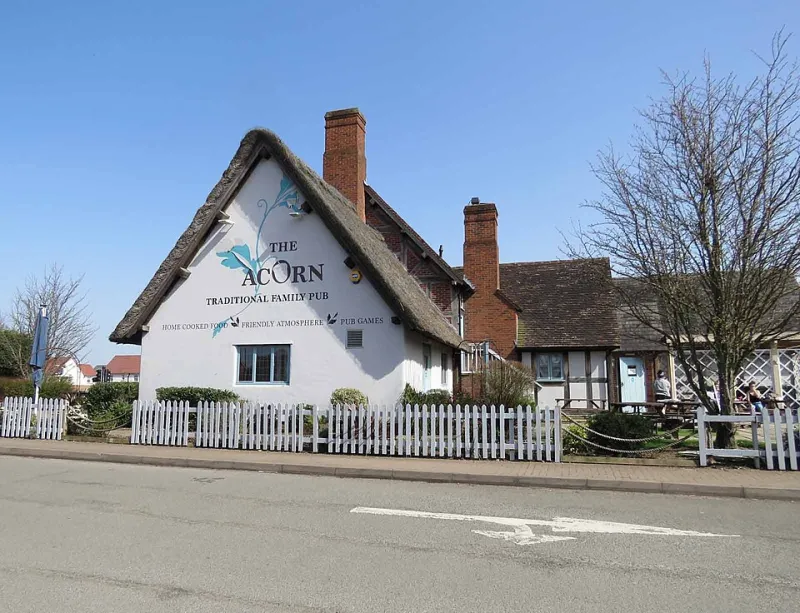
Photo: Howard Selina, CC BY-SA 2.0, via Wikimedia Commons
It is 3:52 on a Saturday. The lunch plates have gone back, the dinner prep is still under cling film, and the chalkboard has that wiped-and-half-written look of a pub not quite sure what it is meant to be doing. This is the dead hour: too late for lunch, too early for dinner, and exactly the moment when a kitchen shows its true colours.
A Sunday roast can be theatre. A steak night can be a promotion. But a toastie at four o'clock is not putting on a show for anyone. It is either made properly or it is not. That is why the afternoon menu — or the lack of one — is a sharper test of a pub kitchen than the headline carvery.
Why the dead hour exposes more than the rush
Lunch and dinner are rehearsed. The kitchen knows how many covers are coming, what has been prepped, and roughly when the rush will hit. The afternoon is an interruption. Someone wanders in wet from a walk, a couple finish a pint and fancy something warm, a family arrives before the evening booking. The kitchen has to decide: do we feed these people properly, or do we point at the crisp rack and hope for the best?
That decision is not about having a full menu at all hours. It is about having a plan. A pub can close its kitchen at three and still be honest about it. What it should not do is leave a menu on every table, then act surprised when someone orders from it at 4:15.
The toastie is a small confession
A toastie is the afternoon menu's most common offering, and the easiest thing to get wrong. The bread should be toasted through, not merely warmed. The cheese should be melted rather than rubbery at the edges. If there is chutney or onion, it should taste of something beyond sweetness. A good toastie arrives with a cut side that holds together and a plate that does not look like an apology.
The test is simple. Ask for one at half past three. If it comes back in ten minutes, hot through and properly pressed, the kitchen is still awake. If it arrives as two slices of dry bread with a lukewarm centre and a handful of crisps, you have learned something useful. That is not a pub tea. That is a warning.
Value matters, too. In 2026, a toastie in a decent pub sits somewhere around £6 to £8. If it is pushing £9 or £10, it needs to be more than two slices and a garnish. A small salad, a few proper pickles or a cup of soup alongside can justify it. Six crisps and a single lettuce leaf do not.
Soup is the afternoon's honest pot
Soup is the quiet hero of the gap. It can be made in the morning, held safely, and served quickly without pretending to be dinner. But it also has nowhere to hide. A thin, salty broth with a few sad vegetables is not improved by a fancy bowl.
Ask what the soup is. If the person behind the bar can tell you without checking, that is a good sign. If it is the same soup they were serving on Tuesday, that is not automatically a crime — a well-made batch can last — but it should still taste fresh. Look for texture, not wall-paper paste. The bread matters as much as the soup: a proper slice, or at least a roll with some crust, and butter that spreads rather than tears the bread.
A mug of soup at £5 or £6 is fair afternoon value. A small bowl at £8 with a packet butter and a single crust is not. The difference is not luxury. It is care.
Sausage rolls and the warm-holding question
A sausage roll at four o'clock can be a small triumph or a dried-out regret. The best ones are warmed to order or held properly, with pastry that still has some flake and filling that tastes of seasoning rather than salt. The worst have been sitting under a lamp since noon, developing a crust that could sole a boot.
Ask whether it is warmed. If the answer is yes, watch the timing. A sausage roll that arrives in two minutes has probably been held. That is not always bad, but it needs to be held well. A microwaved sausage roll is a particular kind of sadness: soft pastry, molten middle, no texture. A proper pub will either warm it in an oven or tell you it is served cold and let you decide.
Small plates are the other option. A Scotch egg, a bowl of chips, a few croquettes, some pickled things and bread — that is a pub tea if the portions and prices make sense. The trap is the £7 small plate that is neither small nor generous, just vague. The good version is clearly a snack, clearly priced, and comes out quickly.
Portion sense and the twenty-minute rule
Afternoon hunger is not dinner hunger. A pub that understands this will offer something that bridges the gap without demanding a full evening appetite. A toastie and a cup of soup can be a perfect tea. Two small plates can be enough. A giant plate of chips with three dips is fun, but it is not a menu strategy.
Time is part of the test. At 4pm, a toastie or a bowl of soup should not take forty minutes. If the kitchen is prepping dinner and cannot spare a pan, it should say so. A twenty-minute wait for hot food is reasonable. A forty-minute wait for a sandwich suggests the afternoon menu exists on paper only.
The drinks side matters, too. This is not the hour for a tasting flight and a lecture. A pint and a plate, or a pot of tea and a sausage roll, is the mood. If the pub can do that without fuss, it is doing something right.
The tenner test
Take a tenner and see what it buys at half past three. In one pub it might get you a proper toastie and a half of something decent. In another it might get you a bag of crisps and a limp sausage roll. The difference is not just price. It is whether the kitchen has decided that the afternoon is worth feeding.
This is not about demanding a full menu at all hours. It is about honesty. If the kitchen is closed, say so. If it is open, offer something hot and made with a bit of thought. The afternoon plate does not need to be ambitious. It needs to be real.
How to ask without making a scene
You do not need to interview the chef. A simple question at the bar works: what is still on that is hot? If the answer is a toastie, ask what is in it. If the answer is nothing, accept it and order a pint. The point is not to catch anyone out. It is to read the room.
A pub that can feed you well at 4:15 is a pub that has its kitchen in order. It has thought about the gap, priced it sensibly, and kept something back for the people who arrive after the lunch rush. That is not a small thing. It is the difference between a pub that wants your afternoon custom and one that merely tolerates it.
So next time you find yourself hungry between lunch and dinner, do not settle for the crisp rack straight away. Ask what the kitchen can do. The answer will tell you more about the pub than any Sunday roast ever could.