Crayons, Carrots and Clues: A Parent's Audit of the Pub Kids' Menu
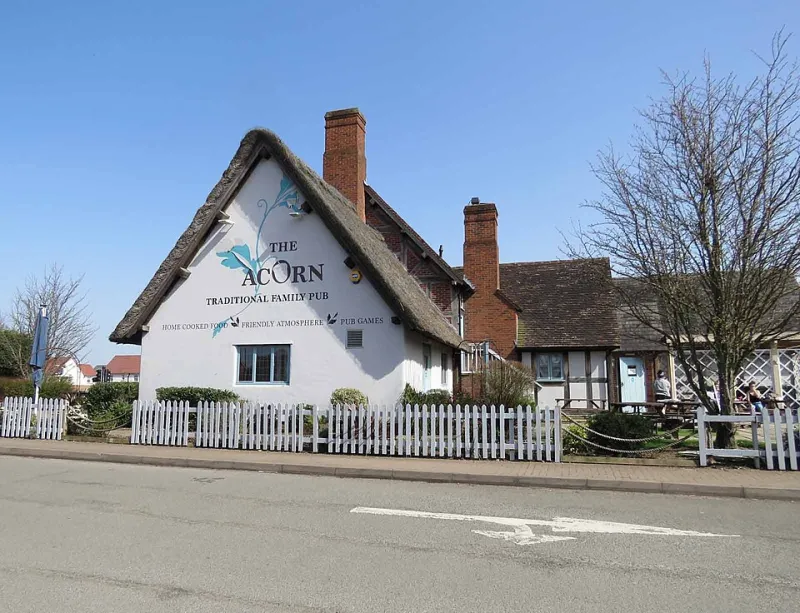
Photo: Andrew Tatlow , CC BY-SA 2.0, via Wikimedia Commons
A children's menu is usually the shortest document in a pub. One laminated card, a handful of options, a few crayons. It is also one of the most revealing things on the table. You can learn a lot about a kitchen from how it feeds the people who cannot write a review, pay the bill or complain with much diplomacy. The kids' menu is a kitchen confession, whether the kitchen meant to make one or not.
This is not a plea for pubs to turn into soft-play centres. It is a practical audit for parents, grandparents, and anyone who wants to know whether a pub treats young diners as real customers or as an inconvenient add-on to the adult order.
The nuggets default is a supply-chain confession
There is nothing morally wrong with breaded chicken and chips. Children like it, kitchens can produce it quickly, and a hungry six-year-old is not a food critic. The question is whether that is the only thing on offer.
A menu that runs nuggets, fish fingers, sausage and chips, and a plain pasta Bake Of Some Description is not necessarily lazy. It may simply be honest about its limits. But it tells you the kitchen is buying in the same frozen catering pack as half the country and has decided not to spend any effort on the younger end of the table. That is a choice, not a law of nature.
Look for the presence of one item that could only have come from this kitchen. A mini roast with proper potatoes. A smaller version of the pie, with the same gravy. Fish goujons made from the same haddock used in the adult fish and chips. A veggie option that is not just the adult dish minus the meat and plus a shrug. One such item changes the reading. It suggests the kitchen sees children as part of the same operation, not a separate microwave queue.
The mini roast is a test of the main kitchen
A Sunday roast is a useful stress test because it cannot be faked with a bag and a timer. If a pub offers a children's roast, check what actually lands. Does it include a Yorkshire pudding, or is that reserved for adults? Are the potatoes the same roasties or a scoop of bland mash? Is there gravy, and is it the same gravy?
A good mini roast is not a tiny adult portion with the best bits removed. It is a sensible plate: a few slices of meat, two or three potatoes, a spoonful of veg, a Yorkie, and gravy. The point is not to fill a child to bursting. The point is to let them eat the same food as everyone else, in a size that suits them.
That tells you the kitchen is confident in its main menu. It also tells you the pub is willing to absorb a little extra work — carving a smaller joint, plating a smaller portion, keeping the gravy jug moving — for customers who will one day be adults with wallets.
Portion sense and the £6 chip mountain
There is a special kind of disappointment that comes from ordering a children's meal and receiving a portion that would defeat a grown adult. A mountain of chips and three limp nuggets is not value. It is a kitchen covering its lack of ideas with volume.
A sensible children's portion should look like a child's plate, not a dog's dinner. Protein, carbohydrate, veg, and a bit of sauce. It should leave room for a pudding if the pub is trying to sell one, and it should not require a parent to negotiate a chip ceasefire halfway through.
Price matters too, but not in the way the glossy menu suggests. A cheap kids' meal is not automatically good value if half of it goes back to the kitchen. A slightly dearer plate that gets eaten is better business for everyone. Look for a clear price, a drink included or not, and whether the pub charges full whack for a tiny portion of the same pasta it sells upstairs for £14.
Veg, allergens and the small-print test
A children's menu should not be a allergen afterthought. If the pub has a proper allergen file behind the bar, the kids' menu should be part of it. Ask about the nuggets, the sausages, the gravy, the batter. If the answer is a confident trip to a folder, good. If the answer is a shrug and a point at the menu, that is useful information.
Vegetables are another quiet signal. Peas, carrots, sweetcorn, cucumber sticks, a bit of broccoli — none of these are difficult. Their presence suggests the kitchen is thinking about balance rather than just beige. Their absence suggests the menu was designed by someone who believes children only eat in shades of gold.
Also check the drinks. A kids' menu that offers only fizzy pop and fruit shoot is a missed trick. Water, milk, a small juice, or a proper half-pint of squash are not difficult. They are just evidence of whether anyone thought about the small customer as a person rather than a seat filler.
Service tells you whether children are customers or cargo
The menu is only half the story. Watch how the staff respond. Are there high chairs, and are they clean? Are there small cutlery and cups that do not shatter? Does the server speak to the child, or only over their head? Is there a colouring sheet that is actually a colouring sheet, rather than a scrap of paper and a biro that has given up?
These are not frills. They are hospitality. A pub that makes a child feel welcome is a pub that makes the whole table relax. A pub that treats children as cargo will usually show it before the food arrives.
A quick audit before you sit down
Read the kids' menu before you commit to a table. Look for one dish that mirrors the adult kitchen. Check the portion logic. Ask about allergies. See whether vegetables exist. Notice whether the drinks list includes water without a fight. And watch how the staff handle the first request for a high chair.
None of this guarantees a great meal. But it gives you a fair idea of whether the kitchen is cooking for children or just filling a gap in the till. The best pubs do not make a fuss about their children's menu. They simply treat it as part of the same job: feed people well, at the size they happen to be.