Two Cards, One Kitchen: How to Choose Between a Pub Lunch and Dinner
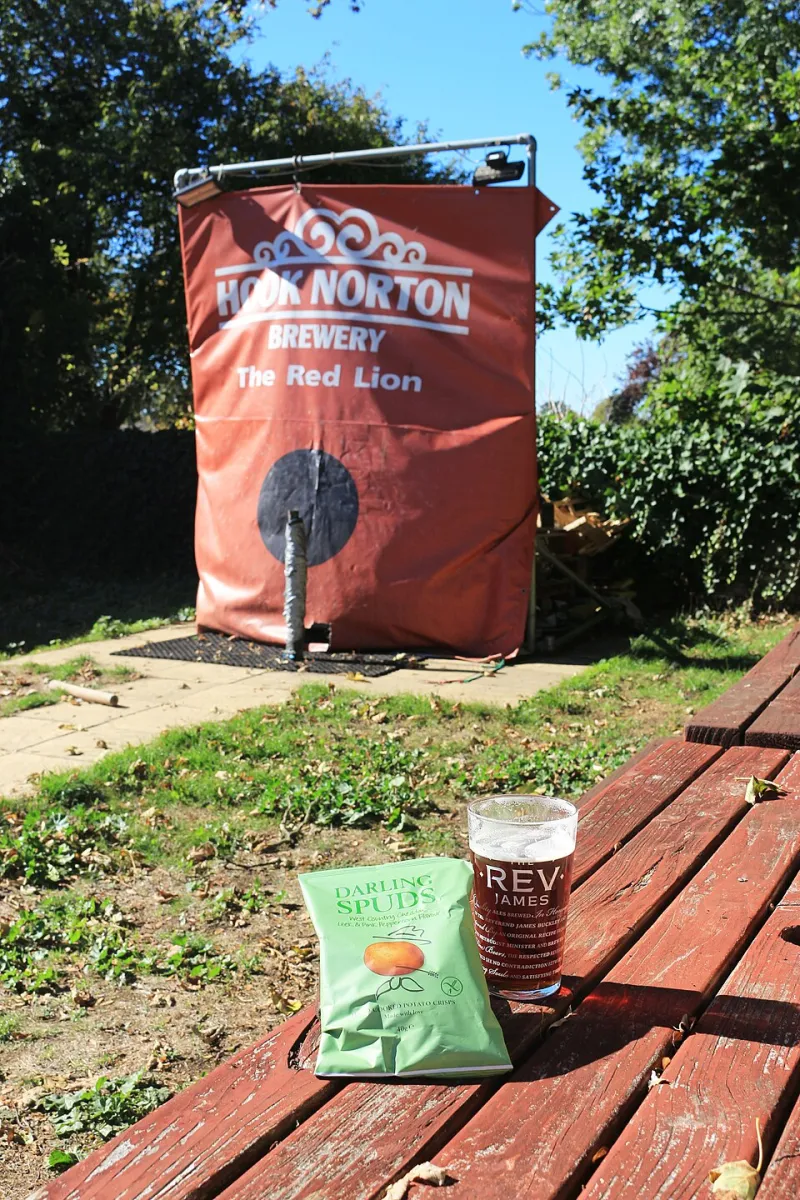
Photo: Des Blenkinsopp , CC BY-SA 2.0, via Wikimedia Commons
A pub can feel like two different places depending on the hour. At noon, the room smells of coffee, chips and damp coats. By seven, the lights are lower, the tables are booked and the menu has quietly changed its personality. That shift is not an accident of printing. The lunch card and the dinner menu are two separate arguments about what the kitchen can do well, and reading both is one of the most useful skills a pub-goer can develop.
The Same Room, a Different Kitchen
Lunch is a test of pace. The kitchen knows it has a narrow window, a mix of quick pint-and-sandwich customers and people settling in for a proper plate, and staff who need the pass to keep moving. Dinner is a test of patience and presentation. There is more time, more expectation and usually more money on the table. A sensible pub does not simply photocopy the evening menu at a smaller size and call it lunch. It edits.
That editing is where the truth lives. If the lunch board is all sandwiches, jackets and a couple of hot specials, the kitchen is being honest about what it can turn around quickly. If it is a sprawling document with twenty dishes and a Sunday roast on a Tuesday, you are entitled to ask who is doing all that cooking — and when.
Portions, Prices and the Quiet Disappearing Act
The first thing to compare is not the headline price but the plate's job. A lunch main is often designed to get you back to work, a walk or an afternoon pint without needing a lie-down. An evening main is designed to hold a longer session. That means the lunch version of a dish may come with fewer potatoes, a lighter sauce or a smaller cut of meat. That is not necessarily sharp practice. It is a different brief.
What matters is whether the pub is clear about it. A lunch burger at a lower price with a smaller patty and fewer chips can be excellent value. The same burger at dinner, priced up but not improved, is where the menu starts to feel like a hat rather than a meal. Look for the dishes that vanish between the two cards. If the pie is on at lunch but absent at dinner, the kitchen may be using lunch to sell through a batch. If the fish is on at dinner but not at noon, that can suggest a fresher delivery or a cook-to-order approach. Neither is automatically bad. The pattern tells you what the kitchen is set up to do.
The Lunch Board Is a Prep Report
Lunch menus are often the most honest document a pub produces. They reveal the kitchen's morning routine: the soup made from yesterday's vegetables, the ham carved for sandwiches, the pies baked early, the salad that needs using. A compact lunch board with a couple of daily changes is usually a sign of a kitchen that cooks in batches and watches its stock. A vast lunch menu with no changes for weeks can mean a lot of freezers and a lot of reheating.
This is not a reason to sneer at batch cooking. A good pub kitchen should be able to make a proper soup, a decent sandwich and a hot special without turning lunch into a tasting-menu performance. The question is whether the food tastes like it was made for the midday rush or simply defrosted for it. A lunch board that lists a daily pie, a soup and one hot dish with confidence is often more promising than a laminated epic that promises everything.
What the Evening Card Is Really Saying
Dinner menus tend to lean on a different set of signals: more starters, more sides, more sauces, more puddings, and the occasional special that exists because the kitchen has time to cook it properly. That can be a good thing. It can also be a warning. If the evening card is full of dishes that require delicate last-minute work but the pub is packed and the pass is two staff down, the kitchen may be promising more than it can deliver.
The evening menu is also where a pub justifies its higher prices. Sometimes it does that with better ingredients, larger portions or genuinely cooked-to-order dishes. Sometimes it does it with a sprig of something green and a higher number. The difference is usually visible in the details: chips that are properly fried, gravy that tastes of more than granules, a pie with a bottom that has not given up. Price alone is not the test. The test is whether the extra money buys extra care.
Reading the Shift Without Cynicism
None of this means the lunch menu is the honest one and the dinner menu is a con. A pub can be excellent at both sittings, just in different ways. The sensible approach is to match your expectation to the hour. If you want a quick, good-value plate with a half pint, the lunch board is your friend. If you want to linger over three courses and a bottle of wine, the evening card is the right place to look — but book it because you want the slower meal, not because you assume the food is automatically better.
In 2026, with pub costs still pressing on every kitchen, the two-menu structure is also a survival tactic. Lunch keeps the till moving; dinner pays the bills. A pub that understands that will usually give you a fair deal at both ends of the day. A pub that treats lunch as a nuisance and dinner as a licence to print money is telling you something too.
Which Sitting Should You Book?
Choose lunch when you want speed, value and a kitchen working within its limits. Choose dinner when you want atmosphere, a longer menu and food that has had time to be cooked rather than assembled. If you are unsure, read both cards before booking. The lunch board tells you what the kitchen can do under pressure. The evening menu tells you what it aspires to. A good pub makes those two stories sit comfortably side by side.
And if they do not — if the lunch is a sad photocopy of the dinner, or the dinner is just the lunch with a candle — you have learned something useful before you have even ordered. That is the value of reading the two cards. The kitchen is not just feeding you. It is telling you when to come back.